Corporate Event Venues in Singapore
Introduction
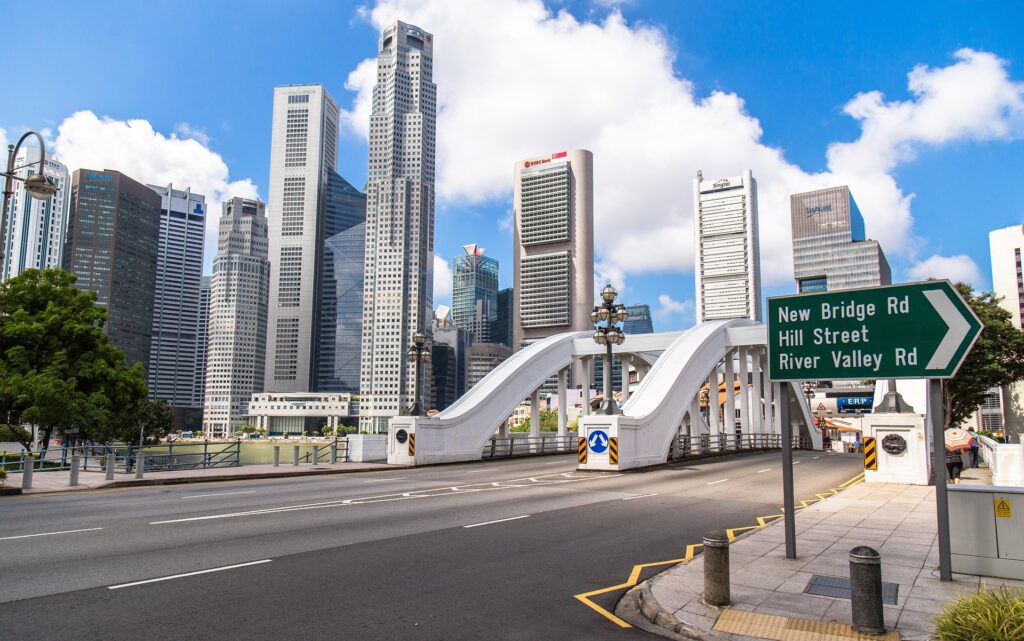
Singapore gives corporate event teams a wide range of venue choices, from large convention centres and hotel ballrooms to heritage venues, creative studios, rooftop spaces and hybrid-ready meeting rooms. The practical challenge is not finding a space; it is choosing a venue that fits the event goal, audience size, guest journey, AV requirements, catering needs, accessibility, budget and timeline. Singapore Tourism Board reported that Singapore maintained ICCA’s top Meeting City in Asia Pacific position for the 23rd consecutive year and was named Cvent’s Top Meeting Destination in Asia Pacific for 2026, which reinforces why the venue shortlist must be handled with a clear operational plan rather than a simple price comparison through a Singapore MICE destination source.
Why Venue Choice Matters for Corporate Events
A venue affects almost every part of a corporate event: attendance, arrival flow, stage design, AV setup, catering, delegate comfort, sponsor visibility, accessibility, risk management and total cost. A room can look impressive in photos but still be unsuitable if the ceiling is too low for staging, the sound system is weak, the loading bay is difficult, or the foyer cannot handle registration and tea breaks.
The venue also shapes the tone of the event. A leadership town hall needs clarity and control. A product launch needs visual impact and smooth cueing. A client dinner needs hospitality, service flow and brand alignment. A conference needs breakout rooms, signage, speaker holding areas and predictable movement between sessions. For hybrid events, the venue also needs stable internet, clean audio feeds, camera positions and backstage coordination.
Do not judge a venue by room hire alone. Industry venue guides make the same point: the real decision is the total event cost once F&B, staging, AV, rehearsal access, crowd flow, transport, permits and contingency are included. Use this as the working principle when comparing corporate event venue costs and planning factors.
Start with Event Goals, Audience, and Format
Before looking at venue names, define the event properly. A useful venue brief should answer these questions:
- What is the business objective: leadership communication, client engagement, training, media launch, sales enablement, employee celebration or investor update?
- How many people are expected, and how confident is the attendance forecast?
- Is the format a conference, seminar, town hall, product launch, gala dinner, awards night, workshop, exhibition, networking event or hybrid broadcast?
- Will the event require a stage, LED wall, projection, panel seating, breakout rooms, livestreaming, simultaneous interpretation, sponsor booths or press areas?
- What should guests experience from arrival to departure: fast registration, premium hospitality, high-energy reveal, focused learning, networking, or a private leadership environment?
This brief prevents a common mistake: shortlisting venues by capacity and location only. A 300-pax client event, 300-pax employee town hall and 300-pax workshop may all need different layouts, catering plans, technical support and ambience.
Common Types of Corporate Event Venues in Singapore
Singapore’s venue landscape is broad. The right shortlist depends on whether the event prioritises scale, location, hospitality, brand impact, production control or experience.
| Venue Type | Useful For | Planning Notes |
| Convention and exhibition centres | Large conferences, exhibitions, town halls, plenaries, trade events, product showcases | Strong for scale and flexible layouts, but plan staging, AV, signage, catering, loading and guest flow carefully. |
| Hotel ballrooms and integrated resorts | Dinners, awards nights, conferences, leadership summits, international delegate events | Good for hospitality and accommodation; check package inclusions, minimum spend, AV rules and rehearsal access. |
| Heritage and cultural venues | Premium brand events, client receptions, media launches, leadership dinners | Strong atmosphere and storytelling value; check restrictions on sound, staging, decor, load-in and catering. |
| Studios, galleries and creative spaces | Workshops, intimate launches, content shoots, livestreams, executive sessions | Flexible and distinctive, but may need additional furniture, AV, power, production and catering support. |
| Rooftop, waterfront and experiential venues | Client events, networking, incentives, brand activations | High impact but more dependent on weather plans, access, sound limits and guest movement. |
| Office auditoriums and corporate campuses | Internal town halls, training, leadership briefings | Convenient and cost-efficient, but may need external AV, stage, lighting or livestream support. |
For large-scale infrastructure, Singapore offers significant capacity. Sands Expo and Convention Centre has 120,000 square metres of event space and a ballroom that can host up to 11,000 guests, while Suntec Singapore lists 42,000 square metres of MICE space with exhibition halls, meeting rooms and auditoriums. Singapore EXPO lists 123,000 square metres of versatile space and can support event configurations from 50 to 50,000 attendees.
For hotel-based conferences and dinners, Raffles City Convention Centre at Fairmont Singapore provides over 108,000 square feet of flexible event space, over 34 meeting rooms and three ballrooms. For heritage-led events, the City Hall Chamber at National Gallery Singapore carries historical significance, including the signing of the Japanese forces surrender document on 12 September 1945. These examples show why the shortlist should reflect both operational fit and brand context.
Corporate Event Venue Selection Checklist
Use this checklist before asking for proposals or signing a venue contract:
- Event fit: Does the venue support the event objective, audience profile, programme flow and desired tone?
- Usable capacity: Does the actual layout work after staging, AV, camera positions, aisles, registration, catering and sponsor areas are included?
- Guest flow: Can guests move easily from arrival to registration, ballroom, breakout rooms, toilets, prayer rooms, lifts, F&B areas and exits?
- Production readiness: Are power, rigging rules, ceiling height, screen placement, sound coverage, backstage space and loading access suitable?
- Hybrid capability: Is there reliable wired internet, backup connectivity, audio feed access, camera positions and space for streaming control?
- Catering: Are menus, dietary requirements, halal requirements, alcohol policy, service style and tasting arrangements clear?
- Access: Is the venue accessible by MRT, taxi, coach, car, lift, escalator and wheelchair-friendly routes?
- Commercial terms: Are room rental, F&B, AV, service charge, GST, overtime, corkage, cleaning, security, parking and cancellation terms fully itemised?
- Risk and backup: Are wet-weather plans, crowd management, medical access, emergency routes and escalation contacts documented?
Venue Layout, Capacity, and Guest Flow
The quoted maximum capacity is rarely the same as the usable capacity for your event. A venue may fit 800 theatre-style, but the number may drop once you add a stage, LED wall, camera risers, VIP seating, translation booths, sponsor displays, registration desks, buffet lines and safe aisles.
Ask for the floor plan early and mark the real event zones: entrance, registration, cloakroom, pre-function area, stage, audience seating, control desk, camera positions, backstage holding, speaker route, F&B, toilets, prayer rooms, lifts and emergency exits. For dinners, map the route from kitchen or service stations to the tables. For conferences, map movement between plenary, breakout rooms and refreshment areas.
If the event has senior leaders, VIP guests, media, performers or remote speakers, factor in holding rooms and private movement routes. This is especially important for product launches, awards nights and board-level events where timing and privacy matter.
AV, Stage, Lighting, and Hybrid Event Requirements
Venue selection should involve production checks, not just commercial checks. A visually attractive venue can become difficult to use if it has low ceilings, poor acoustics, limited power, fixed screen positions, no proper loading access or strict supplier restrictions.
For stage and AV, check the maximum stage footprint, ceiling height, rigging rules, sightlines, screen visibility, projector throw distance, LED wall options, sound coverage, microphone count, backstage space and control desk position. For lighting, check whether the room can support front light for speakers, ambience lighting, brand colours and camera-friendly exposure. For photography and video, avoid setups where speakers are backlit or where screens wash out faces.
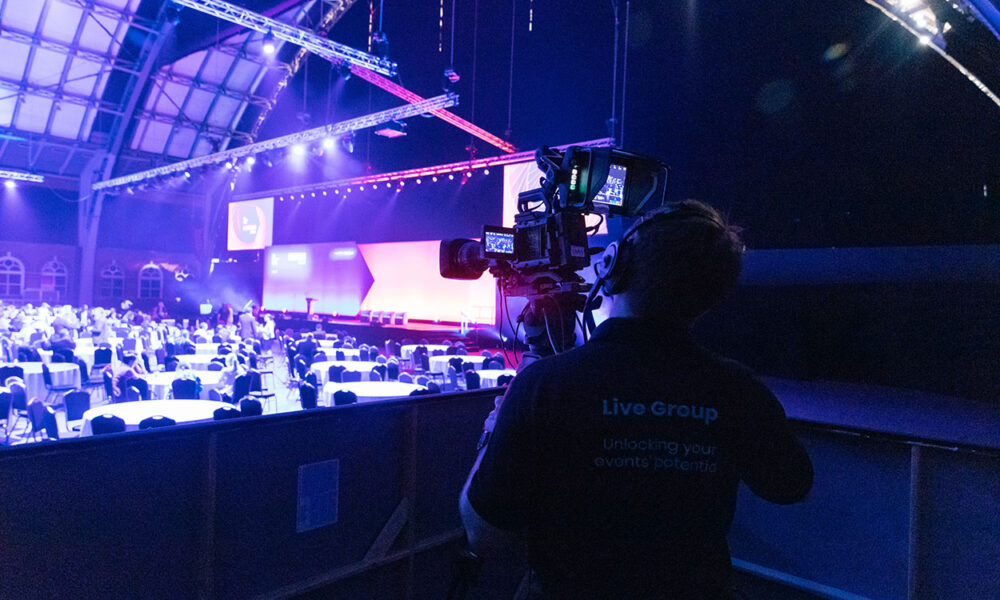
For hybrid events, confirm the venue can support wired internet, backup connection, clean audio feed, camera positions, streaming control, remote speaker dial-in, recording, platform access and technical rehearsal. A venue that works for an in-room seminar may not automatically work for a livestreamed regional town hall.
Location, Accessibility, and Guest Logistics
In Singapore, location affects attendance and punctuality. For after-work events, central MRT access can matter more than a slightly cheaper package elsewhere. For full-day conferences, airport access, hotel accommodation and shuttle planning may matter more. For large events, check coach drop-off, taxi queues, parking, lift capacity, queue management and pedestrian routes.
Accessibility should be planned as part of the venue decision, not handled after the venue is chosen. Ask about step-free access, lift routes, accessible toilets, wheelchair seating positions, ramp access to stage where needed, signage visibility, quiet areas, prayer rooms and dietary accommodations. For regional events, also think about overseas delegates: airport transfer time, hotel proximity, SIM/Wi-Fi needs and easy-to-understand wayfinding.
Catering, Hospitality, and Guest Experience
Catering is more than a menu choice. It affects programme timing, guest satisfaction, dietary confidence, service flow and budget. Confirm whether the venue requires in-house catering, has preferred caterers, allows external caterers or charges extra for outside vendors. Ask how the venue handles vegetarian, vegan, halal, gluten-free and allergy-sensitive meals.
For events with halal requirements, ask for documentation rather than assumptions. Singapore Food Agency states that food businesses that prepare and sell food generally require the relevant SFA food retail licence or permit, and planners can also check the SFA SAFE track records tool for licensed food establishments. For halal meals, request the caterer’s valid MUIS certification details and confirm whether food preparation, storage and service arrangements meet the event’s requirements.
Service style matters too. A buffet may work for a casual team event but slow down a short programme. Plated service suits formal dinners but needs more precise timing. Food stations can improve movement but need more space. For conferences, refreshment breaks should be close enough to session rooms to avoid delays, but spacious enough to prevent crowding.
Budgeting for Corporate Event Venues
Venue budget should be compared as an all-in event cost, not just room rental. The visible price may exclude AV upgrades, staging, lighting, furniture, branding, rehearsal time, overtime, security, cleaning, power, corkage, service charge, GST, parking, loading, permits, staff meals and contingency.
As a light benchmark for smaller or more flexible spaces, Giggster’s Singapore party venue listings showed an average cost of S$178 per hour at the time reviewed, but this type of marketplace price should not be treated as the cost of a full corporate event. Larger corporate programmes usually require production, staffing, F&B, rehearsals and venue-specific operating costs.
A practical budget comparison should show:
- Venue hire or package rate.
- Minimum F&B spend, menu cost and service charges.
- AV, stage, lighting, livestream and technical crew.
- Furniture, decor, signage, registration and branding.
- Rehearsal access, setup hours, teardown hours and overtime.
- Guest logistics such as parking, shuttles, accommodation or accessibility support.
- Contingency for additional equipment, timing changes and late content updates.
For procurement approval, compare venues using cost per guest and operational risk, not just headline price. A cheaper venue that requires more production, transport or contingency may become more expensive than a higher-priced venue with stronger built-in infrastructure.
Site Visit Questions to Ask Before Booking
A site visit should test whether the venue works in practice. Bring the agenda, estimated attendance, preferred layout, AV requirements and any livestream needs. Walk the guest route from arrival to exit, then walk the production route from loading bay to ballroom.
- What is the confirmed usable capacity for the exact layout we need?
- Where will registration, pre-function, catering, sponsor booths and queues be placed?
- What stage sizes, screen positions and camera positions are realistic?
- What AV equipment is included, and what requires external support or upgrades?
- What are the house rules for sound limits, rigging, decor, branding, drones, confetti or pyrotechnics?
- What are the loading bay dimensions, lift dimensions, access hours and teardown rules?
- Is wired internet available for livestreaming, and is backup connectivity possible?
- Can the venue support rehearsal time before show day?
- What catering restrictions, halal requirements, alcohol policies and service timings apply?
- What happens if attendance changes, the programme runs overtime or a key supplier is delayed?
Singapore-Specific Venue Planning Considerations
Singapore is compact, but planning still requires precision. International conferences may need a long lead time because venue, hotel blocks, speaker travel, sponsor deadlines and regional marketing have to align. Local corporate meetings can move faster, but popular periods such as year-end dinners, award nights and peak conference seasons can reduce availability. One Singapore venue guide notes that average local corporate booking lead time can be around 32 days, while major venues and peak dates require earlier planning, so treat lead time as part of the risk check rather than an afterthought through a singapore venue planning guide.
For APAC events, consider time zones, multilingual attendees, regional speakers, travel policies, livestream access and recording needs. A Singapore event may have in-room guests, regional executives joining remotely, and post-event viewers across different markets. The venue and production plan should support all three audiences.
Sustainability is also becoming a stronger requirement. Singapore’s MICE Sustainability Roadmap targets net-zero emissions for the MICE industry by 2050, and the Singapore MICE Sustainability Certification provides an industry pathway for businesses to demonstrate sustainability practices. For venue selection, this means asking about waste management, energy use, certified suppliers, delegate transport, reusable signage and post-event reporting.
Common Mistakes When Choosing Corporate Event Venues
- Choosing by photos instead of operational fit: A space may look good online but fail on load-in, lighting, acoustics, access or guest flow.
- Using maximum capacity as the planning number: Always check usable capacity after staging, AV, aisles, F&B and technical positions are included.
- Forgetting AV and production restrictions: Some venues have fixed screens, limited power, strict supplier rules or insufficient rehearsal access.
- Underestimating catering complexity: Dietary requirements, halal assurance, allergies, service flow and kitchen access can change the guest experience.
- Ignoring hybrid requirements: Livestreaming needs clean audio, stable internet, camera positions, tech rehearsals and a backup plan.
- Comparing only headline price: Room hire is only one part of the cost. The more useful number is all-in cost per guest.
- Booking before a site visit: A proper walkthrough often reveals issues that do not appear in proposal decks.
- Leaving content and speakers too late: Slides, videos, speaker notes and run-of-show cues must be tested before event day.
Conclusion
The right corporate event venue in Singapore is the one that supports the event objective, audience size, format, guest journey, AV and staging requirements, catering needs, accessibility, sustainability expectations, budget and timeline with the fewest operational compromises. Start with the brief, compare venues by total event fit, complete a proper site visit, and involve production planning early so the venue decision supports the full experience rather than only the room booking. For support with corporate event venue planning, production, AV, staging, lighting, livestreaming and hybrid events in Singapore and APAC, contact Live Group.