The best location for a corporate event in Singapore depends on the audience, format, production needs and guest journey – not simply the prestige of the address. This guide compares the main event districts and explains where conferences, launches, gala dinners, town halls, retreats and regional APAC gatherings are likely to work best.
Quick Location Comparison
| Location | Strong fit | Main trade-off |
| Marina Bay and CBD | Executive conferences, client events and premium launches | Higher costs and busy loading or guest access |
| City Hall, Suntec, Bugis and Orchard | Conferences, seminars, awards and hotel programmes | The exact guest and supplier route varies by venue |
| Sentosa and waterfront areas | Retreats, incentives, galas and destination experiences | Additional transfers and weather planning |
| Changi and Singapore EXPO | Fly-in events, exhibitions and large regional conferences | Less central for some Singapore-based guests |
| Business parks and decentralised areas | Town halls, training and office-linked gatherings | Fewer nearby hotels and hospitality options |
Part 1: Define What the Location Must Do
Singapore is compact, but the experience changes considerably between the CBD, a resort precinct, an airport hub and a business park. Location affects travel time, accommodation, supplier access, production costs, catering and what attendees can do before or after the programme.
The commercial value of this sector is substantial: the Singapore Tourism Board reported S$2.3 billion in MICE tourism receipts in 2025, up 35% from 2024. That makes location part of the wider business experience, not merely an address.
Start with the event requirements
Before shortlisting districts, define the event objective, audience origin, programme format, duration and desired atmosphere. Then identify the non-negotiables: plenary and breakout space, exhibition areas, accommodation, hybrid production, outdoor access or proximity to the workplace. Live Group’s event management framework follows this sequence by connecting the objective, audience and format before venue and production decisions are made.
Part 2: Compare Central Business and City-Centre Locations
Marina Bay and the Central Business District
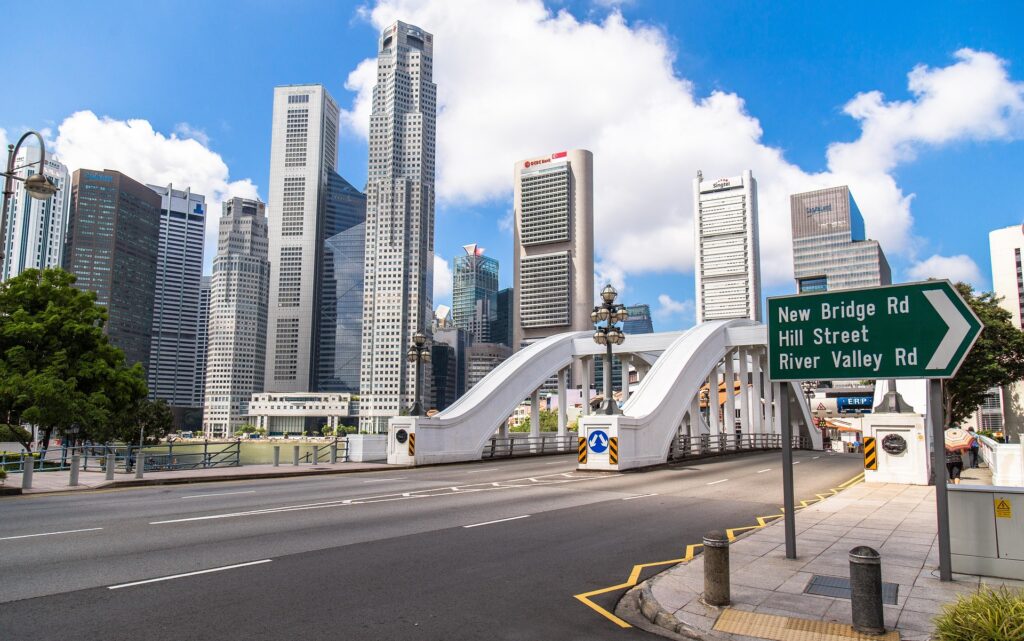
Marina Bay and the CBD suit executive conferences, investor meetings, international summits, leadership events and premium launches. Corporate offices, hotels, restaurants, transport links and high-spec venues are concentrated in a relatively small area, while the skyline provides a recognisable backdrop for receptions and branded content.
A major purpose-built option is the Marina Bay Sands Expo & Convention Centre, which lists more than 120,000 sqm of flexible space, 250 meeting rooms and capacity for up to 45,000 delegates. Its scale supports multi-track conferences and exhibitions, but usable capacity still depends on the stage, seating, cameras, booths and catering plan. Central venues can also carry higher costs and require tighter coordination of loading bays, parking and shared public areas.
City Hall, Suntec, Bugis and Orchard
These connected city-centre districts offer convention facilities, hotels, cultural venues, restaurants and smaller corporate spaces. They are practical for conferences, seminars, networking events, awards nights and programmes that need convenient MRT access and accommodation.
Suntec Singapore lists 42,000 sqm of MICE space, including two Level 6 auditoriums with a combined 6,850 seats. Nearby alternatives create different experiences: National Gallery Singapore’s Supreme Court Terrace holds 300 standing guests; Capitol Theatre is an 865-seat venue with a rotational floor; and Raffles City Convention Centre offers more than 108,000 sq ft of flexible space. Walk the actual route from the station or coach drop-off point, because the final journey through a mixed-use development can matter more than the map suggests.
Part 3: Compare Destination, Airport and Decentralised Locations
Sentosa and waterfront locations
Sentosa and waterfront areas work well when the destination should help attendees step away from daily work. They suit leadership retreats, incentives, team events, gala dinners, launches and multi-day programmes that combine formal sessions with social activity.
Resorts World Sentosa’s meetings and event facilities illustrate the integrated-resort model. Its 6,000 sqm column-free ballroom has an 11m ceiling, with hotels, dining and attractions nearby. The trade-off is additional transfer planning, especially for local attendees, plus wet-weather, heat and wind contingencies for outdoor elements.
Changi and airport-connected locations
Changi is practical for short regional programmes with many overseas attendees because it can reduce cross-city transfers and simplify early arrivals, late departures and accommodation planning.
Singapore EXPO provides 123,000 sqm of indoor and outdoor space, 10 halls and 32 meeting rooms, making it a strong option for exhibitions and large conferences. For smaller experience-led events, Jewel Changi Airport’s Cloud9 Piazza offers 1,000 sqm for up to 300 standing guests with views of the Rain Vortex. Airport proximity benefits international travellers, but local guests in the CBD or western Singapore may face a longer journey.
Business parks and decentralised areas
Areas such as one-north, Alexandra, Paya Lebar and Jurong can suit town halls, training, innovation workshops and employee events close to offices or business clusters. They may reduce travel time and cost for the core audience, but organisers should check evening transport, nearby hotels, dining capacity and whether the area supports post-event networking.
Part 4: Match the Location to the Event Format
Conferences and seminars
Prioritise transport access, plenary and breakout capacity, reliable internet, speaker rooms and straightforward catering. Marina Bay, Suntec, City Hall and Singapore EXPO are useful starting areas, but the final decision should follow the room configuration and where delegates are staying.
Product launches and brand experiences
Look for control over branding, lighting, guest arrival and reveal moments. Marina Bay offers a premium business setting, while Sentosa, Changi and cultural venues can provide a more distinctive experience. ArtScience Museum has 21 galleries spanning nearly 5,000 sqm and supports launches, press conferences and receptions. Confirm loading, power, rigging, sound restrictions and rehearsal time before choosing a visually impressive space.
Gala dinners, awards and retreats
Hotel districts such as Marina Bay, City Hall and Orchard simplify catering, service, accommodation and formal arrivals. Sentosa can create a stronger destination feel for retreats and celebrations. Compare stage depth, kitchen access, sightlines and table capacity after production equipment has been installed.
Town halls and hybrid regional events
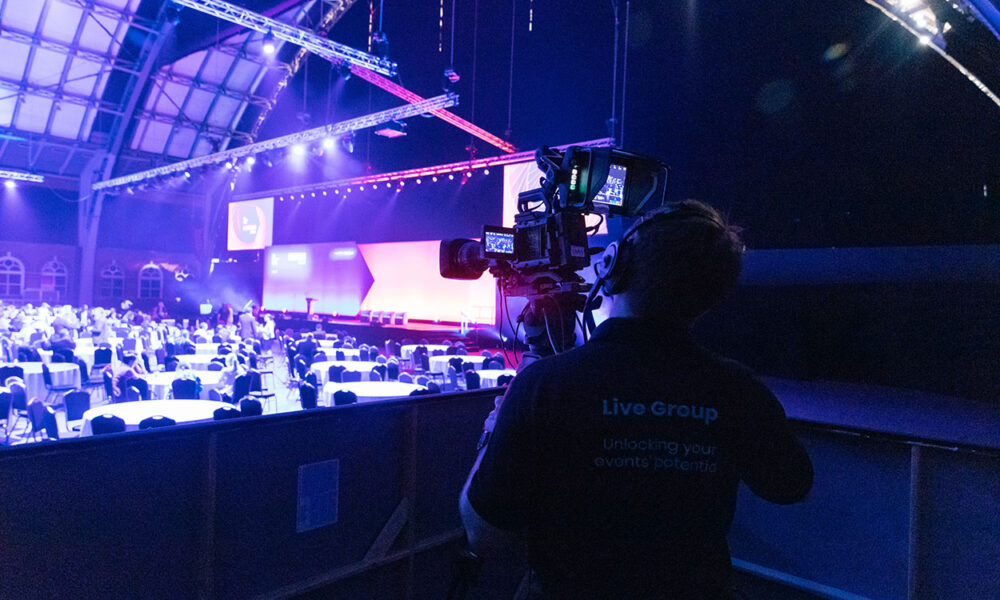
For internal audiences, proximity to the workplace may matter more than prestige. Hybrid and APAC events add requirements for dedicated internet, backup connectivity, camera positions, quiet production areas and speaker preparation. For the technical planning behind these formats, see Live Group’s guide to stage, AV, lighting and livestream setup.
Part 5: Check Access, Production, Budget and Site Logistics
Accessibility, transport and guest logistics
MRT access is useful, but review the complete route from the station, coach or taxi drop-off point to registration, including shelter, lifts, gradients, crossings and wayfinding. The Land Transport Authority states that public buses and trains are wheelchair accessible, with barrier-free routes at stations and interchanges. Organisers should still inspect the final venue approach and confirm assistance arrangements.
Attendee communications should name the recommended entrance, nearest station exit and pickup point rather than giving only the venue address. Also account for arrival peaks, international hotel blocks and separate routes for speakers, VIPs, exhibitors and suppliers where necessary.
Production and total event cost
A location may look suitable until the production plan is added. Confirm ceiling height, stage depth, sound coverage, screen visibility, camera positions, loading access, power, internet, branding restrictions, rehearsal time and approved-supplier rules. Live Group’s event production services cover the technical and operational elements that connect the venue, content and audience experience.
Compare the total delivered cost, not venue hire alone. Include setup and rehearsal days, AV and technical crew, transport, accommodation, loading fees, storage, overtime, branding, furniture, catering and contingency. A lower-priced room may cost more overall if it requires extensive staging or temporary infrastructure.
Sustainability and venue credentials
Sustainability can influence the shortlist. Singapore’s MICE Sustainability Roadmap targets net-zero sector emissions by 2050. STB also reported that all six purpose-built MICE venues had obtained sustainability certification and more than 73% of hotel room stock was internationally certified. Ask venues about certification, energy and waste reporting, public transport access and event-specific carbon data.
Site visit checklist
- Confirm the usable capacity after the stage, screens, booths, cameras and catering areas are included.
- Walk the attendee route from arrival to registration, the main room, breakouts, catering and toilets.
- Check supplier loading routes, setup windows, storage and overtime conditions.
- Confirm AV, internet, power, rigging and branding facilities or restrictions.
- Review nearby hotels, dining and transport for regional guests.
- Compare what is included in the quotation and how changes are charged.
Use these questions alongside Live Group’s corporate event planning checklist before approving the venue.
Common mistakes to avoid
- Choosing the address before defining the event objective, audience and format.
- Comparing maximum capacities without allowing for the production layout.
- Assuming a nearby MRT station guarantees an easy guest journey.
- Comparing venue hire instead of the total delivered event cost.
Frequently Asked Questions
What are the best locations in Singapore for corporate events?
There is no single best location. Marina Bay and the CBD suit high-profile business events; City Hall, Suntec, Bugis and Orchard offer broad venue and hotel choice; Sentosa supports destination experiences; Changi is practical for international and large-scale events; and business parks can work well for employee programmes.
How should companies choose the right location?
Start with the event objective, audience origin, format, attendance, production needs, accommodation, transport and budget. Shortlist districts only after these requirements are clear, then compare the total guest and supplier journey.
Which locations suit conferences and seminars?
Marina Bay, Suntec, City Hall and Singapore EXPO are strong starting areas because they combine convention, hotel and meeting facilities. The final choice should be based on room layout, breakout needs and delegate logistics.
Conclusion
The right Singapore location is the one that supports the audience, programme, production and budget with the least friction. For help comparing locations and delivering a corporate event in Singapore or across APAC, contact Live Group.