Convention centres, hotel ballrooms and creative event spaces can all work well for corporate events, but they solve different problems. Convention centres prioritise scale and operational flexibility, hotel ballrooms combine event space with hospitality, while creative venues can create a stronger sense of place and brand experience. The right choice depends on the event objective, audience, production needs, guest journey and budget.
Part 1: The Short Answer and How the Three Venue Types Differ
The short answer: it depends on the event goal
There is no universally best venue type. A convention centre is usually the strongest starting point when an event needs large capacity, exhibitions, multiple rooms or complex supplier logistics. A hotel ballroom is often more convenient when formal hospitality, catering, accommodation and a polished guest experience matter. A creative event space can be a better fit when the environment itself needs to reinforce a product, brand or networking experience.
The decision should start with the event objective rather than a venue shortlist. Live Group’s event management approach similarly begins with the audience, message and intended outcome before the venue and production plan are developed.
At-a-glance comparison
| Venue type | Strongest fit | Main advantage | Main trade-off |
| Convention centre | Large conferences, exhibitions, multi-track events and major hybrid programmes | Scale, logistics and flexible room combinations | May require more design and production to create intimacy |
| Hotel ballroom | Conferences, town halls, gala dinners, awards and regional meetings | Integrated catering, service and accommodation | More restrictions on suppliers, branding or room configuration may apply |
| Creative event space | Product launches, networking, brand activations and smaller experiential events | Distinctive atmosphere and stronger sense of place | Infrastructure, capacity and loading may be less straightforward |
Convention centres: best when scale drives the brief
Convention centres are designed for high attendee volumes, multiple programme zones and large supplier movements. They are particularly useful for trade shows, conferences with several breakout tracks, exhibitions, plenary sessions and events that need significant staging or technical infrastructure.
Singapore examples illustrate the scale available. Marina Bay Sands Expo & Convention Centre includes large exhibition halls and the Sands Grand Ballroom, while Singapore EXPO is a purpose-built venue with 10 halls and 32 meeting rooms. These examples are useful benchmarks, but the relevant question is whether the venue configuration suits the programme rather than which venue is largest.
The main challenge is experience design. A large hall can feel impersonal when the audience is small relative to the room. Thoughtful zoning, lighting, scenic design, seating density and content screens may be needed to make the space feel intentional.
Hotel ballrooms: best when hospitality and convenience matter
Hotel ballrooms combine event space with catering, guest rooms, front-of-house staff and meeting facilities. This can simplify regional conferences, leadership meetings, gala dinners and awards events, especially when attendees are travelling to Singapore.
At Raffles City Convention Centre at Fairmont Singapore, the event inventory includes multiple meeting rooms and ballrooms within a hotel and convention complex. This type of integrated setup can reduce transfers between accommodation, meetings, meals and social functions.
The trade-off is that hotel operating models can be less flexible. In-house catering may be compulsory, approved AV or production suppliers may be preferred, and ballroom ceiling height, access hours or rigging points can affect creative plans. AV terms are worth resolving before the venue contract is signed: Teneo Hospitality Group cites a planner survey in which 70% reported rising hotel AV costs, with some seeing increases of 11–30% over two years. The same industry discussion notes that some venue arrangements with in-house AV providers can involve commissions reported at 20–50%. These are global industry observations, not Singapore-wide benchmarks, but they reinforce the need to compare inclusions, external-vendor rights and fees before booking.
Creative event spaces: best when the setting is part of the experience
Creative venues include galleries, museums, studios, cultural spaces, conservatories and other non-traditional event locations. They can make a product launch, reception or networking event feel more memorable without relying entirely on temporary scenic design.
For example, National Gallery Singapore offers corporate event spaces within a cultural setting, while Gardens by the Bay offers indoor and outdoor spaces with distinctive views and landscaping.
The setting can also create operational constraints. Planners may need to work around fixed architecture, conservation requirements, limited loading access, stricter installation rules or less built-in AV. A creative venue works best when the event concept benefits enough from the setting to justify the additional planning.
Part 2: Compare Capacity, Layout and Event Formats
Capacity is not the same as usable capacity
Published capacity should be treated as a starting point. The working number changes once the floor plan includes a stage, AV control position, cameras, catering, sponsor areas, registration and circulation space. Ask each venue to confirm capacity in the intended theatre, classroom, cabaret, banquet or standing configuration.
Match the layout to attendee behaviour
Convention centres generally provide the greatest freedom to combine plenary halls, breakout rooms and exhibition zones. Hotel ballrooms often have strong pre-function areas and adjacent meeting rooms, but fixed walls and service routes may shape the flow. Creative venues can provide a more interesting journey, although guests may need to move through narrower or less conventional spaces.
Map the busiest moments: arrival, registration, session changes, meal breaks and departure. A venue that looks attractive on an empty floor plan may feel congested once several hundred attendees move at the same time.
Which venue type works best by event format?
| Event format | Convention centre | Hotel ballroom | Creative space |
| Large conference or congress | Strong fit | Strong for mid-to-large programmes | Usually better for smaller or curated formats |
| Trade show or exhibition | Strongest fit | Limited unless ballroom footprint is sufficient | Best for boutique showcases |
| Gala dinner or awards | Works with sufficient hospitality build | Strong fit | Strong when atmosphere is a priority |
| Product launch | Strong for large launches | Good for formal launches | Strong fit for experiential launches |
| Town hall | Strong for large employee audiences | Strong fit | Good for smaller culture-led events |
| Networking reception | Works with zoning | Strong hospitality option | Often a strong fit |
| Hybrid event | Strong when technical infrastructure is planned | Often convenient with established AV support | Depends heavily on connectivity and production access |
Part 3: Compare Production, Branding and Hospitality
AV, stage, lighting and hybrid readiness
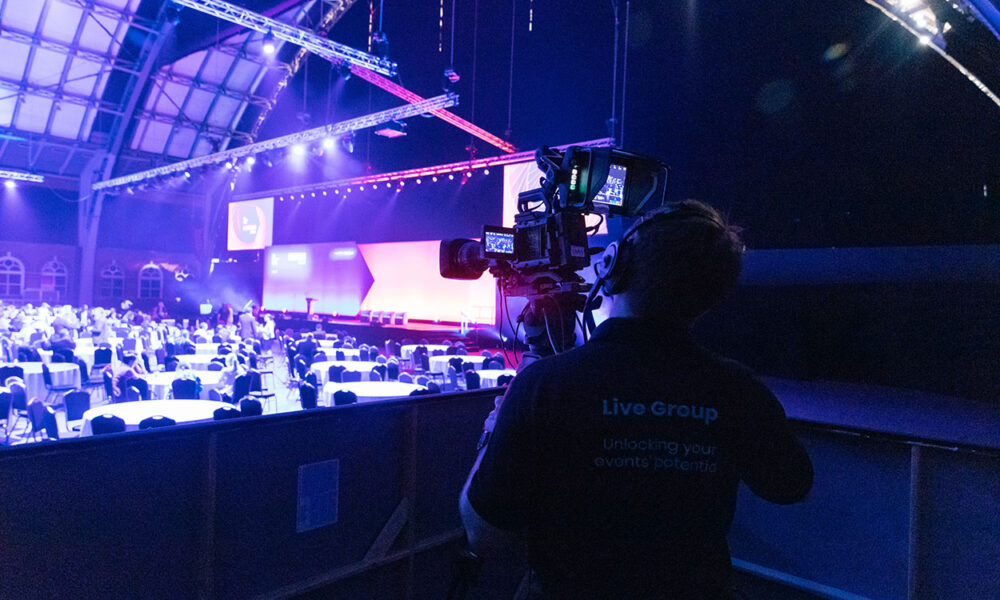
Convention centres are often easiest to scale technically because they are built for major shows, but equipment, rigging and labour still need to be designed around the specific hall. Hotel ballrooms may offer convenient in-house systems, although external production can involve additional venue or house-engineer charges. This industry guide to hotel AV fees recommends getting any outside-vendor, patch, rigging, power, internet or liaison fees in writing before committing. Creative spaces vary even more, so power, connectivity, loading and technical access should be checked venue by venue.
For complex events, review technical requirements before signing the venue contract. Do not assume a venue can support heavy scenic elements, suspended equipment or vehicle/product displays simply because it is a convention centre; obtain the venue’s own floor-load, rigging and structural limits for the exact space. Live Group’s event production services cover staging, AV, lighting and broadcast delivery, and its stage, AV, lighting and livestream planning guide provides a practical checklist.
Branding and atmosphere
Convention centres provide a neutral canvas. This gives brands freedom, but the visual identity may depend heavily on scenic construction, lighting, screens and signage. Hotel ballrooms provide a polished baseline, although existing carpet, chandeliers, wall finishes and furniture can compete with the desired brand look. Creative spaces can provide atmosphere immediately, but the event design should complement the architecture rather than fight it.
Catering and hospitality
Hotels usually have the clearest advantage when catering and hospitality are central to the event. Banquet kitchens, service teams, guestrooms and VIP facilities are already integrated. Convention centres can support large-scale catering but may involve nominated providers or separate ordering structures. Creative spaces require closer checking: some have established catering partners, while others have limited preparation areas or restrictions on food, alcohol and equipment.
Part 4: Compare Location, Logistics, Budget and Contracts
Location and accessibility
A venue should be evaluated from the attendee’s point of view. Check MRT access, taxi and ride-hailing points, parking, nearby hotels, airport transfer time and the route from arrival to registration. For international delegates, an integrated hotel may reduce transfers. For exhibitions and complex builds, loading access may matter more than a prestigious central address.
Accessibility also extends beyond the entrance. Review ramps, lifts, accessible toilets, seating locations, stage access where required and the clarity of wayfinding between programme areas.
Supplier and loading logistics
Convention centres typically have the strongest freight infrastructure, but loading slots, passes and strict move-in schedules still need coordination. Hotel loading docks may be shared with daily operations, catering and other functions. Creative venues can have the greatest constraints, including small service lifts, limited vehicle access or short setup windows. Ask how the largest piece of equipment will physically reach its final position.
Budget and contract considerations
Compare total event cost rather than room rental alone. Include setup and rehearsal time, catering minimums, AV, staging, furniture, internet, security, cleaning, power, branding, supplier access, overtime and teardown. One corporate venue-pricing guide estimates that venue and catering can represent 50–70% of a corporate event budget. A related hidden-cost analysis cites an average 27–28% gap between planned and actual event costs. These are international industry references rather than Singapore benchmarks, but they illustrate why proposals should be compared on an all-in basis rather than headline hire fees.
Review cancellation and postponement terms, deposits, access hours, overtime, compulsory suppliers, damage responsibilities, insurance requirements and the process for approving additional charges. For hotel events, also check room-block commitments and attrition clauses if accommodation is contracted. The contract should state whether outside AV is allowed and identify any patching, rigging, power, internet, liaison or house-labour charges in advance. The cheapest quotation is not necessarily the lowest-risk option.
Site visit questions worth asking
- What capacity applies after the stage, AV positions, catering and circulation areas are included?
- How will attendees move from arrival and registration to the main programme, breakouts and catering?
- What AV, internet, power and rigging infrastructure is available, which suppliers are compulsory or restricted, and what fees apply if you use an external production partner?
- Where are the loading bay, service lifts, storage and supplier holding areas?
- What are the setup, rehearsal and teardown windows, and how is overtime charged?
- What branding, signage, installation and attachment restrictions apply?
- What catering arrangements, minimum spends or nominated suppliers apply?
- Which costs, rooms and services are included in the contract, and which are additional?
Part 5: Make the Final Decision
Use a decision scorecard rather than instinct
Score the shortlisted venues against the same criteria: event fit, usable capacity, guest journey, production readiness, hospitality, location, accessibility, logistics, brand potential, total cost and contractual flexibility. Weight the factors according to the event. A trade show may give logistics and floor area the highest weighting, while a leadership retreat may value privacy, hospitality and atmosphere.
Common mistakes when comparing venue types
- Choosing a convention centre simply because it offers the most space.
- Assuming a hotel ballroom is automatically the easiest option without checking in-house AV terms, outside-vendor fees and supplier restrictions.
- Choosing a creative space for its appearance without testing access, AV, catering and setup requirements.
- Comparing headline capacities instead of the intended floor plans.
- Looking only at venue hire rather than total event cost.
- Allowing venue prestige or aesthetics to outweigh the attendee journey and event objective.
- Booking before production and operations teams have reviewed the site.
Frequently asked questions
Is a convention centre, hotel ballroom or creative event space best for a corporate event?
None is universally best. Convention centres suit scale and complex formats, hotel ballrooms suit integrated hospitality, and creative spaces suit brand-led or experiential events.
When should companies choose a convention centre?
Choose one when the event requires large capacity, exhibitions, multiple programme zones, significant production or structured supplier logistics.
When is a hotel ballroom a better choice?
A hotel ballroom is often suitable when accommodation, catering, formal service, VIP hospitality and convenient meeting rooms are important.
When should companies choose a creative event space?
Choose one when the setting supports the brand or experience and the event can work within the venue’s capacity, technical and operational constraints.
Which venue type is best for conferences and seminars?
Convention centres and hotels are usually the most practical for multi-session conferences. Smaller seminars can also work well in creative spaces if AV, seating and access are suitable.
Which is best for gala dinners and awards nights?
Hotel ballrooms are a natural fit because banquet service and staging are integrated, but convention centres and creative spaces can work when the experience justifies the additional production.
Which venue type is best for hybrid corporate events?
Choose based on dedicated internet, audio feeds, camera positions, lighting, production access and remote-speaker support rather than venue category alone.
How does venue type affect the event budget?
Convention centres may require substantial production and fit-out, hotels may bundle more services, and creative spaces can need extra temporary infrastructure. Compare the complete event cost.
Conclusion
Convention centres are strongest for scale, hotel ballrooms for integrated hospitality, and creative spaces for distinctive experiences, but the best choice is the one that supports the event objective and guest journey with manageable operational risk. For support comparing venues and coordinating event management, production and onsite delivery in Singapore, contact Live Group.